
Transforming Lives: The Kisii and Meru Children's Projects
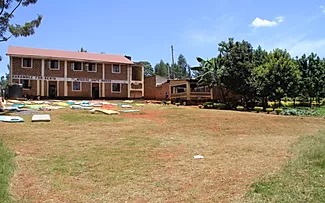
Kisii Project Overview
The Kisii project was our first major initiative, completed in 2008, with the goal of providing a safe and nurturing home for children in need. The facility is designed to accommodate both living and communal activities, ensuring that the residents have a comfortable and structured environment to grow and develop. The ground floor consists of a spacious five-bedroom living space, which serves as the primary residential area. This includes a well-furnished living room that provides a central gathering space where the boys can relax, study, and engage in group activities.
On the upper floor, a large multi-purpose hall has been constructed, serving both as a meeting area and a recreational space. This versatile room is used for indoor games, group discussions, mentorship sessions, and various skill-building workshops. Additionally, there are two extra bedrooms set aside specifically for visiting guests, ensuring that visitors, sponsors, and mentors can stay comfortably when they come to engage with the boys and support the project.
Living Arrangements and Community Life
The boys share rooms, sleeping on sturdy triple bunk beds. Depending on the size of the room, each accommodates between three and nine children, promoting a strong sense of community and shared responsibility. Despite the communal living conditions, the boys have shown remarkable cooperation, discipline, and adaptability. They work together to maintain cleanliness, organize their personal spaces, and support each other in daily routines.
One of the most notable aspects of the Kisii project is the emphasis on teamwork and character development. This is particularly evident in their passion for sports, especially football. The boys regularly train and participate in local tournaments, where they have demonstrated exceptional skill and sportsmanship. Their efforts have led them to win several local competitions, further boosting their confidence and fostering a sense of achievement.
Education and Personal Growth
Education remains a core priority at Kisii. All the boys are enrolled in nearby schools, which have welcomed them with open arms. Their academic progress has been commendable, with many excelling in their studies. Several boys have advanced to secondary school and polytechnic institutions, where they are acquiring specialized skills that will prepare them for future careers. Meanwhile, others are thriving in primary school, building a strong academic foundation for their future.
Beyond formal education, the boys are also encouraged to develop life skills through various programs, including vocational training, mentorship sessions, and extracurricular activities. These initiatives are designed to equip them with the necessary skills to become self-sufficient and responsible adults.
Transitioning Into Independence
Over the years, the Kisii project has successfully supported numerous boys in their transition into adulthood. Several young men who once called Kisii home have now moved on to build independent lives. Many have secured stable employment, and some have even established their own businesses, demonstrating resilience and determination. At least four of them have started families and are now providing for their spouses and children, breaking the cycle of hardship and paving the way for a brighter future.
The success stories emerging from the Kisii project are a testament to the impact of providing a supportive and structured environment for vulnerable children. As we continue to expand and refine our initiatives, our commitment remains strong in ensuring that every child receives the care, education, and opportunities needed to thrive.
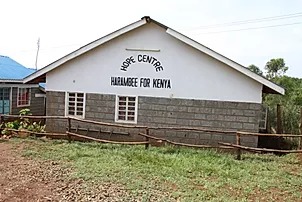
Meru Project Overview
The Meru project was officially completed and opened in April 2014, marking a significant milestone in our commitment to providing safe, structured, and supportive living environments for children in need. The facility is thoughtfully designed to accommodate both residential and communal activities, ensuring that the boys not only have a place to live but also a space to learn, grow, and develop life skills.
The project consists of two main buildings. The first building serves as a communal hub, featuring a spacious dining room where meals are shared, a day room for relaxation and social activities, and designated accommodations for visiting guests. This space is designed to foster a sense of community, where the boys can come together to eat, study, and engage in various recreational activities.
The second building houses six bedrooms for the boys, providing structured and comfortable sleeping arrangements. Each room contains double bunk beds, with occupancy ranging from four to eight boys per room, depending on the available space. Additionally, a separate accommodation unit has been set up for the carer, ensuring that dedicated supervision and support are always available. This unit consists of two bedrooms and a lounge, allowing the caregiver to maintain close interaction with the boys while also having a personal space to rest.
The facility also includes a detached kitchen area, which serves as the primary cooking space. This setup allows for efficient meal preparation while maintaining hygiene and safety. Furthermore, the land surrounding the buildings is highly functional, offering ample space for growing crops and providing an area for the boys to play and engage in outdoor activities.
Sustainable Initiatives and Skill Development
A key feature of the Meru project is its focus on sustainability and self-sufficiency. In addition to the crops grown on-site, we have secured a separate piece of land locally, dedicated to tree farming. This initiative is a long-term investment, as the trees will be harvested and sold in the future to generate additional funds for the project. This environmentally friendly and financially viable project ensures a steady income stream while teaching the boys the value of sustainable agriculture and long-term planning.
Education remains a fundamental priority, with all the boys enrolled in either school or college. Those attending polytechnic institutions are receiving specialized vocational training in practical fields such as electrical work and hospitality. These skills equip them with marketable expertise, increasing their chances of securing stable employment upon graduation.
Beyond formal education, the boys actively participate in various responsibilities that help instill discipline and independence. They are encouraged to engage in household chores, such as cleaning and cooking, just as boys in typical Kenyan family homes would do. Through these responsibilities, they learn valuable life skills that will prepare them for adulthood. The boys also take care of rabbits, which are raised as a food source, providing them with hands-on experience in animal care and food sustainability.
Building a Supportive and Family-Like Environment
At Meru, we strive to create a nurturing environment that mirrors a real family setting. The boys not only learn practical and academic skills but also develop strong bonds with one another. Their shared experiences foster a sense of brotherhood, and they have demonstrated excellent teamwork, particularly through their love for football. In their spare time, they engage in friendly matches, further strengthening their cooperation and sportsmanship.
The overall atmosphere at Meru is one of warmth, encouragement, and structured guidance. By balancing education, vocational training, sustainability initiatives, and personal development, we are equipping the boys with the tools they need to lead successful, independent lives in the future. Our goal is not just to provide shelter but to empower each child to build a brighter future for themselves and their communities.